Lime Pointing & Repointing
Old walls were built to breathe. Hard cement pointing seals the damp in and stays harder than the stone, so the masonry weathers instead of the joint — you get crumbling, flaking stone faces (spalling) and damp showing inside. We rake out the failed or cementitious mortar and repoint in a lime mix matched to the original, so the wall sheds water and stays soft where it should.

What this involves
- Carefully raking out failed, eroded or cementitious joints
- Matching a lime mortar to the building — binder, sand and colour
- Repointing by hand and finishing to suit the stone or brick
- Protecting and curing the work so the lime sets properly
What’s typically included
- A proper look at what has actually failed, and why
- A clear written scope of what we will and won’t touch
- Breathable lime mortar matched to the wall — not a cement smear
- A protected, tidy site and the area left clean at the end
If only a few areas have failed, we’ll say so. Patch-repointing a sound wall is often all it needs, and we’d rather tell you that than repoint the lot.
Who it’s for
Common questions
Why lime instead of cement?
Old walls need to breathe. Cement seals moisture in and stays harder than the stone, so the masonry weathers instead of the mortar. Lime lets the wall dry out and gives way before the stone does. We match the mix to the building rather than using one product for everything.
Do I need the whole wall repointed?
Often not. If the bulk of the pointing is sound, repointing only the failed areas is usually the right call. We set out exactly what needs doing and what can be left.
From the journal
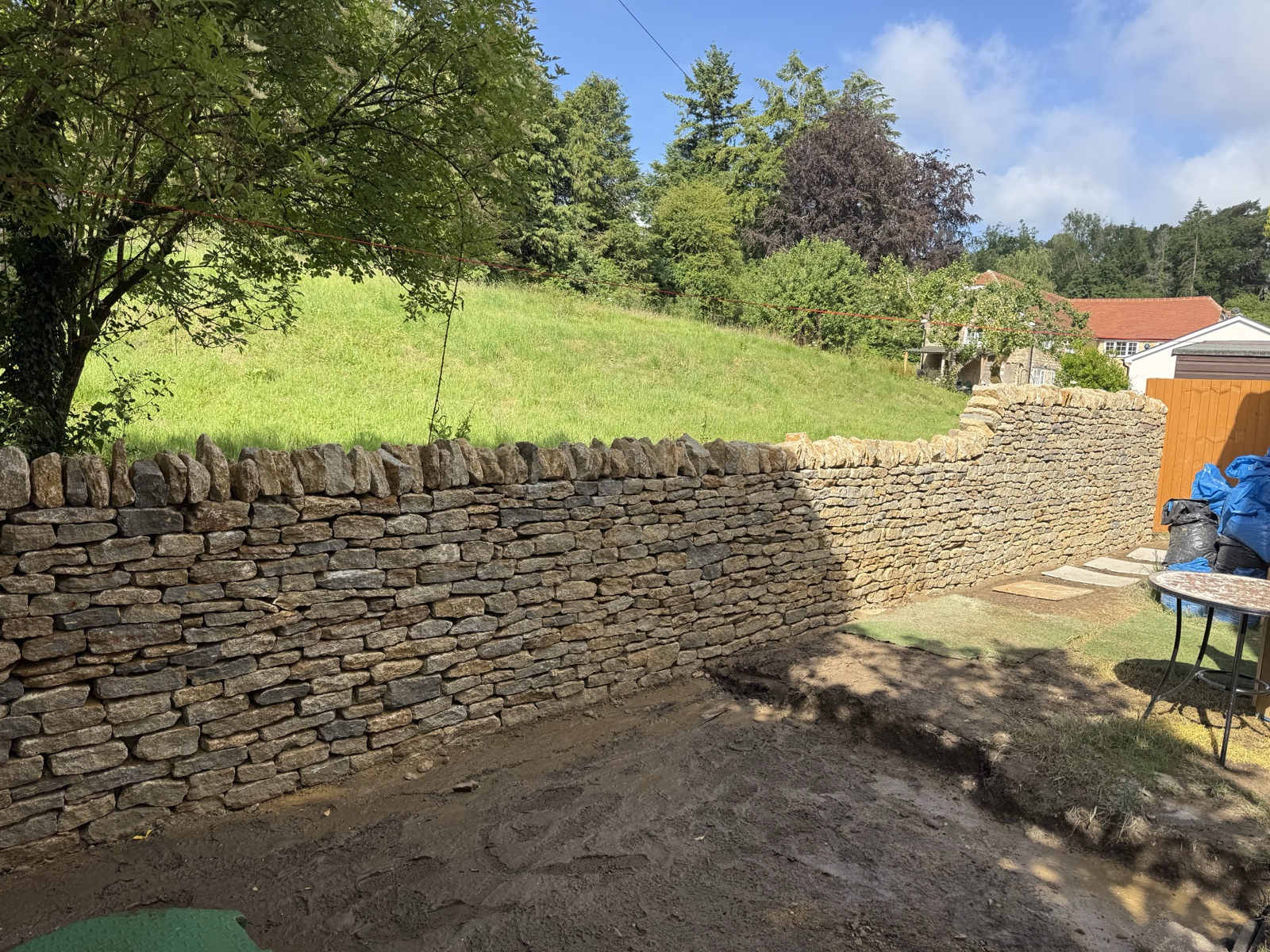
Lime Mortar vs Cement Pointing: What's Right for Old Stonework?
The plain-English guide to why lime mortar usually beats cement on older stone — how each behaves, the warning signs of a hard repair gone wrong, and what good pointing looks like.
Read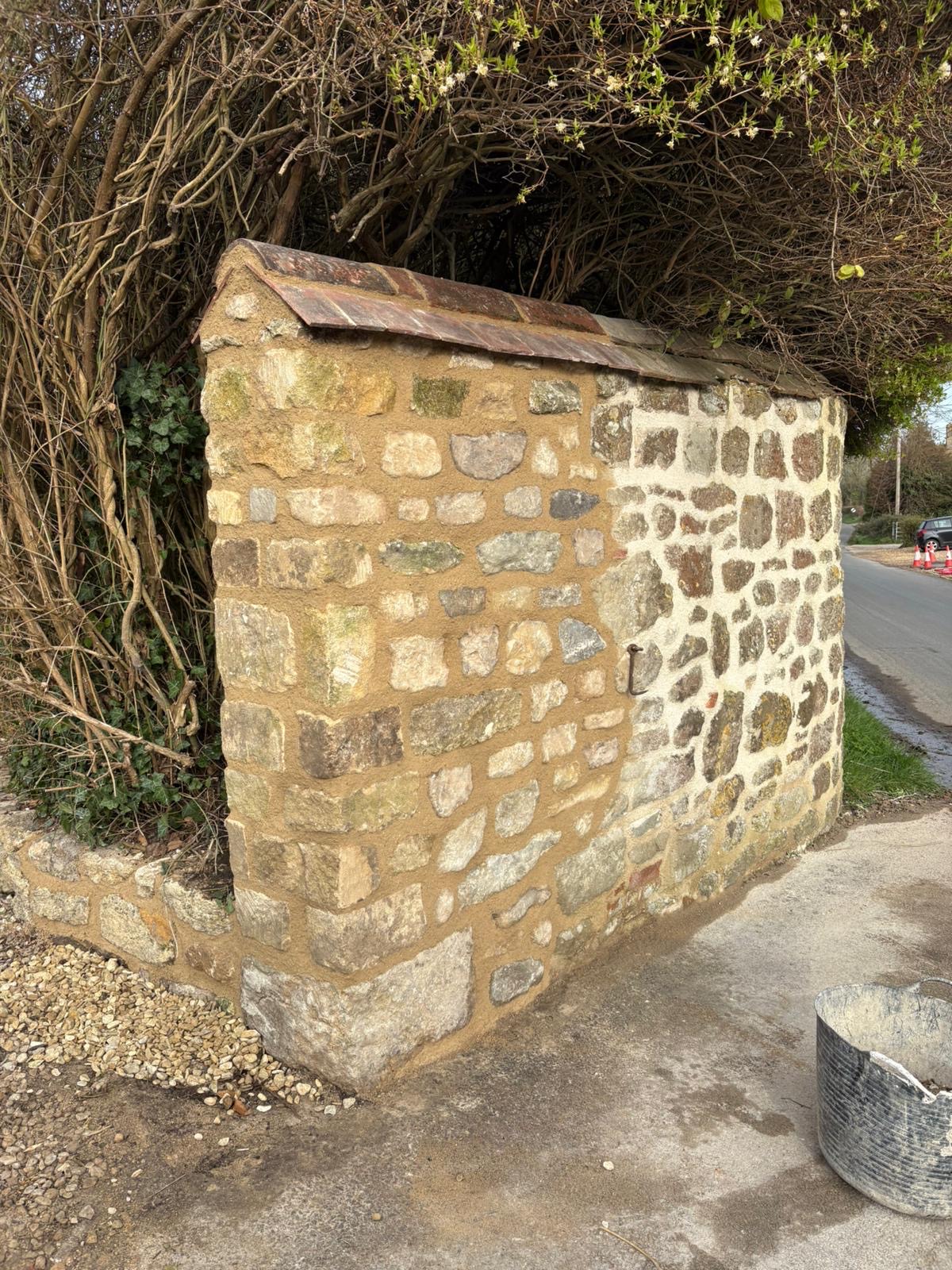
What Does Repointing Cost? A Clear Guide (and What Changes the Price)
Why repointing quotes vary so much — the real cost drivers in plain English, how to compare quotes like-for-like, and what to send us for a reliable steer.
Read


