Repair Hierarchy in Conservation: Retain, Repair, Replace
Conservation principle in practice: do the least that achieves the outcome safely — because every unnecessary replacement is permanent loss.
Whether you’re a homeowner, architect, or custodian of a heritage building, the best conservation outcomes usually come from a simple discipline:
- Retain as much original fabric as possible
- Repair where retention isn’t sufficient
- Replace only where necessary (and as carefully as possible)
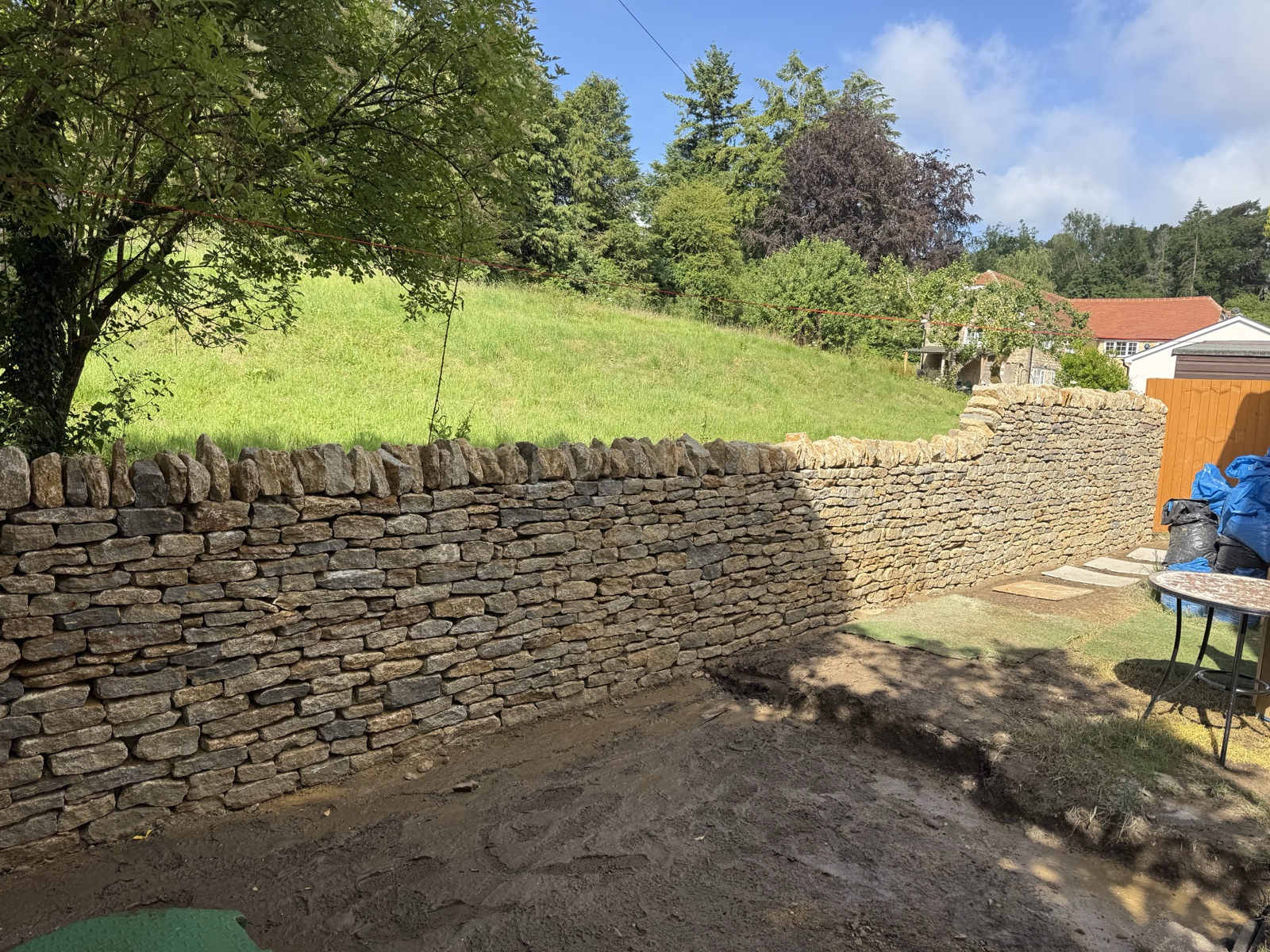
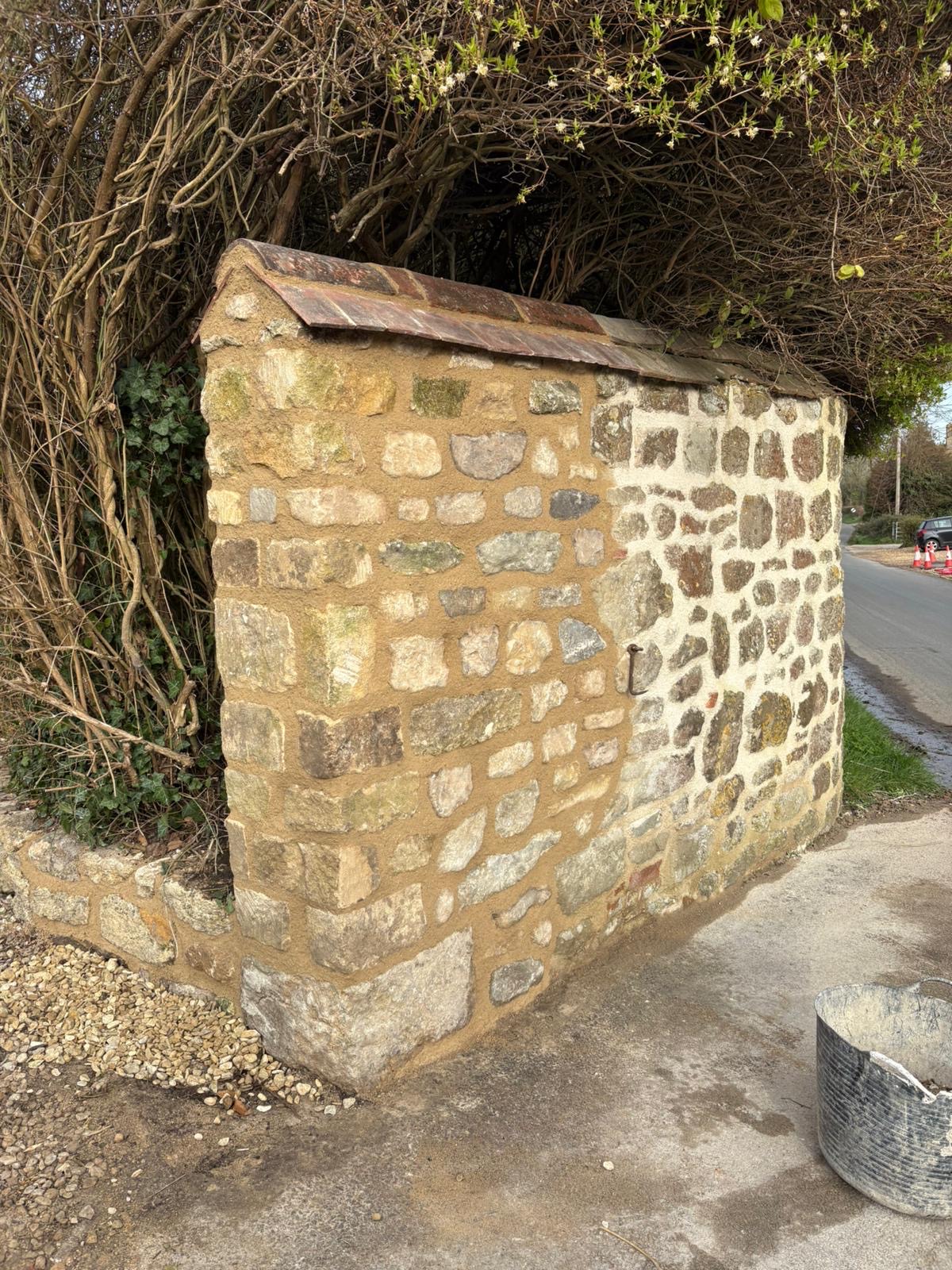
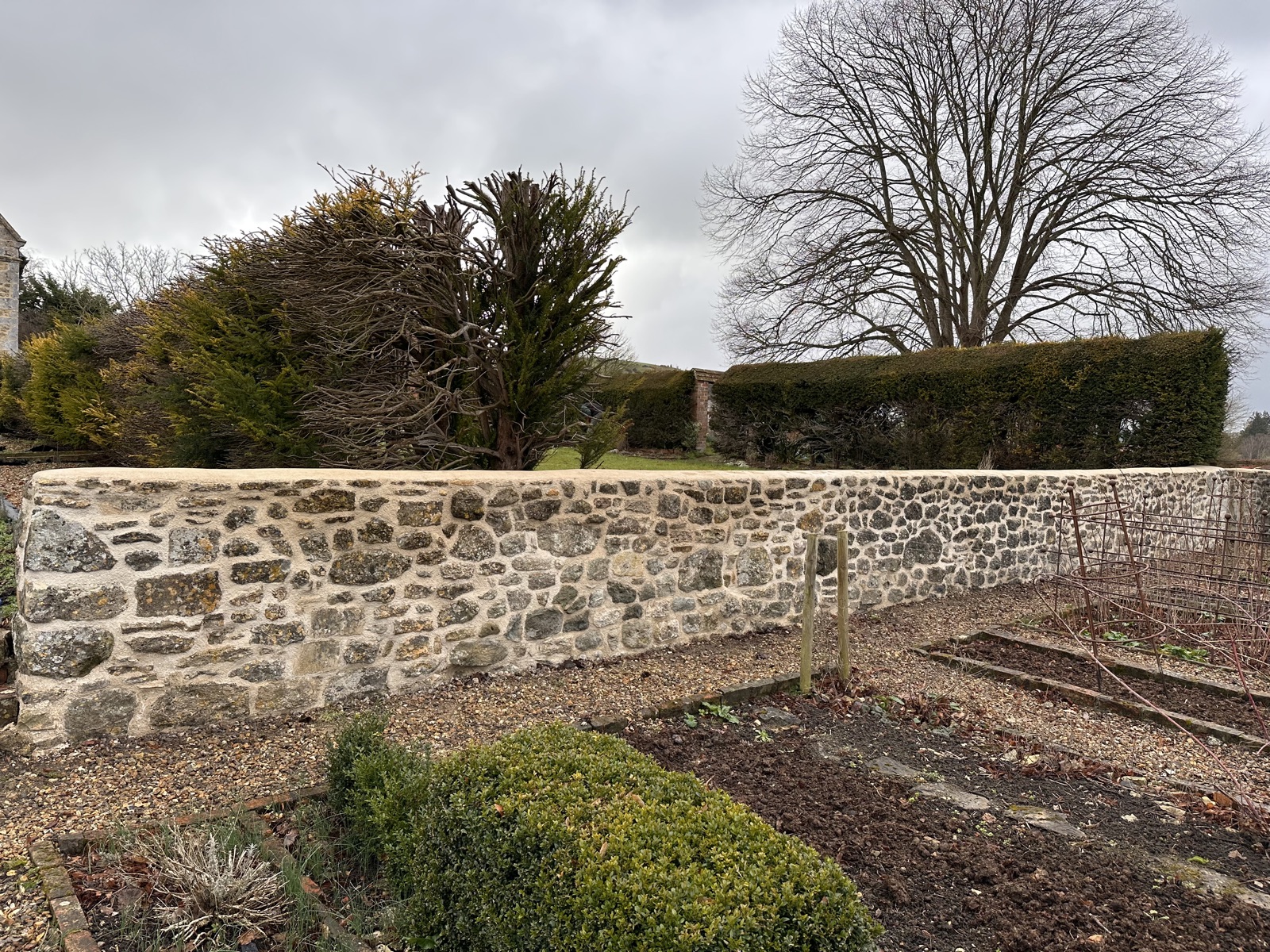
Here’s what that looks like in real stonework.
1) Retain: stabilise and protect what’s still sound
Retaining doesn’t mean doing nothing. It often means:
- addressing open joints to stop water ingress
- improving drainage and rainwater goods
- gentle cleaning where salts and biological growth are accelerating decay
Why it matters: if you can stop moisture cycling through the wall, you often stop further loss.
2) Repair: targeted work that preserves character
Repair is usually the sweet spot: it solves the problem while keeping maximum original fabric.
Examples:
- Lime repointing to restore wall performance without altering appearance
- Localised bedding repairs where stones have loosened
- Indent repairs (replacing just the failed section of a stone, not the whole unit)
- Plastic repairs (where appropriate and specified), rather than wholesale replacement
Key point: repairs should be compatible and honest — no hard “patches” that trap moisture.
3) Replace: only where the stone has genuinely failed
Replacement is appropriate when:
- the stone has lost structural integrity
- faces have delaminated beyond repair
- previous incompatible repairs have caused deep damage
- safety is compromised (loose parapets, unstable features)
When we replace, we do it with care: matching stone type and finish as closely as possible, minimising disturbance to adjacent original stone, and documenting what changed and why.
The hidden cost of replacing too early
Replacing “just to be safe” can create new problems:
- loss of patina and historic character
- greater disruption to surrounding fabric
- increased cost and a longer programme
- more interfaces (scaffold time, waste, cutting, matching)
How this affects your quote and programme
A method-led approach often looks like:
- Option A: retain and stabilise (stop the decay mechanisms)
- Option B: repair targeted areas for the best long-term outcome
- Option C: replace only where clearly necessary, with a documented rationale
This is how you avoid spending money in the wrong place.
Questions worth asking any contractor
- What are you retaining, and why?
- What are you repairing versus replacing?
- How will the repair remain breathable and compatible?
- What evidence will you provide (photos, sample panels, notes)?
Want a second opinion?
If you’re unsure whether you’re looking at a “repair” or a “replace” situation, send photos and we’ll tell you what we’d do first — calmly, and without upsell.