How We Work: From First Call to Finished Stonework (No Surprises)
Our aim: you should always know what happens next, what’s included, and what could change — so you can say yes with confidence.
Choosing a stonemason — especially for older buildings — often comes down to one question:
“Can I trust this will be done properly, without hassle or surprises?”
Here’s exactly how our process works, end to end.
Step 1) A quick first opinion (often from photos)
Many issues can be triaged quickly with a few clear photos. We’ll usually ask:
- where you are (postcode)
- what the issue is (crumbling joints, damp, loose stones, and so on)
- whether the building is listed (if known)
- any urgency (sale, survey, safety)
If it’s something simple, we’ll tell you. If it needs a site visit, we’ll explain why.
Step 2) Site visit and diagnosis (plain English)
On site, we look at:
- the condition and depth of the joints
- the stone condition (spalling, cracking, friable edges)
- moisture pathways (rain exposure, gutters, ground levels, ventilation)
- previous repairs (lime vs cement, patches, sealants)
We’ll explain what we think is happening in plain English and outline sensible options.
Step 3) A clear quote (with options, not pressure)
For older stonework, the most helpful quote isn’t a single number. It’s a clear scope with:
- Option A (Essential): stop the immediate problem and stabilise
- Option B (Recommended): best long-term outcome
- Option C (Ideal): addresses adjacent or related areas to avoid repeat call-outs
We also include assumptions (access, condition, weather), exclusions (what’s not included), and what could change once opened up (hidden voids or decay). That last part is what prevents the dreaded “surprise extras”.
Step 4) Planning the work (access, materials, weather)
Before we start, we confirm:
- access arrangements (scaffold, tower, ladders)
- protection for paths, windows and planting
- materials (lime type, aggregates) appropriate to your building and exposure
- timing and weather windows (important for lime curing)
If you’re in a listed-building context, we can also coordinate around any stakeholder requirements.
Step 5) Delivery (craftsmanship and a tidy, respectful site)
While on site, our standards are simple:
- protect the property
- keep the site tidy
- do the work properly, not quickly
- communicate clearly if anything changes
Where useful, we’ll share progress photos — especially when a client isn’t on site every day.
Step 6) Completion and handover (so you know what was done)
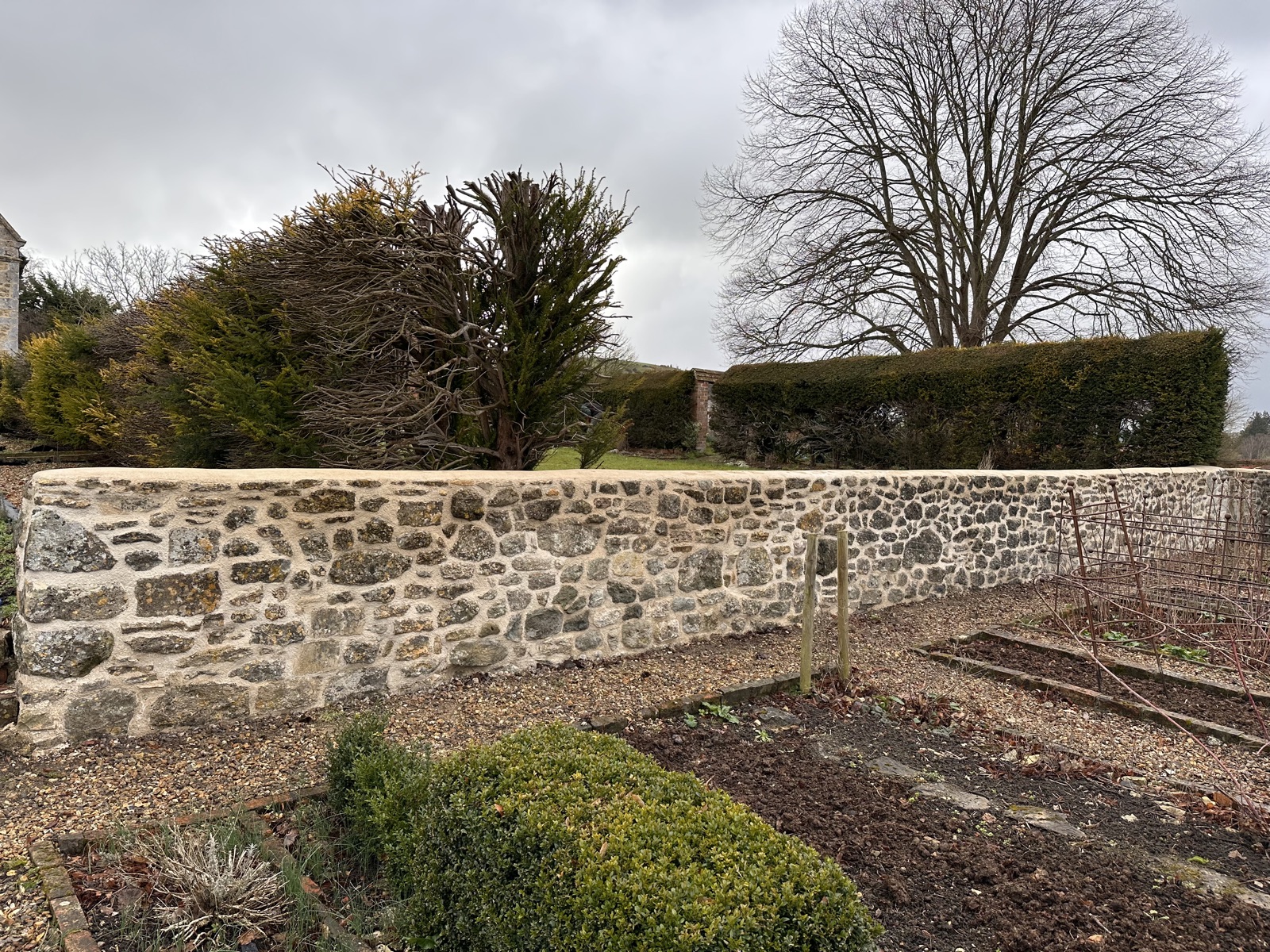
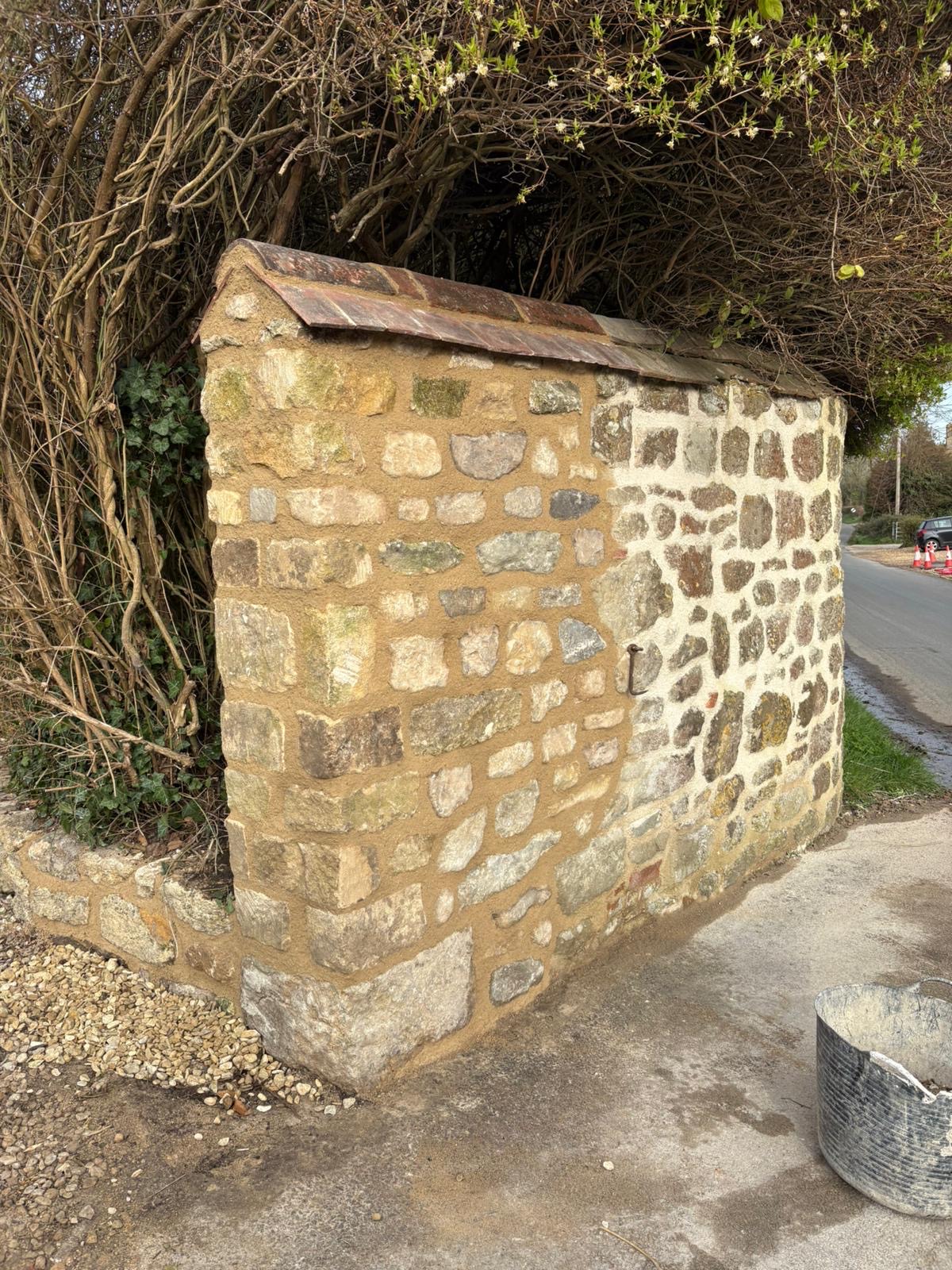
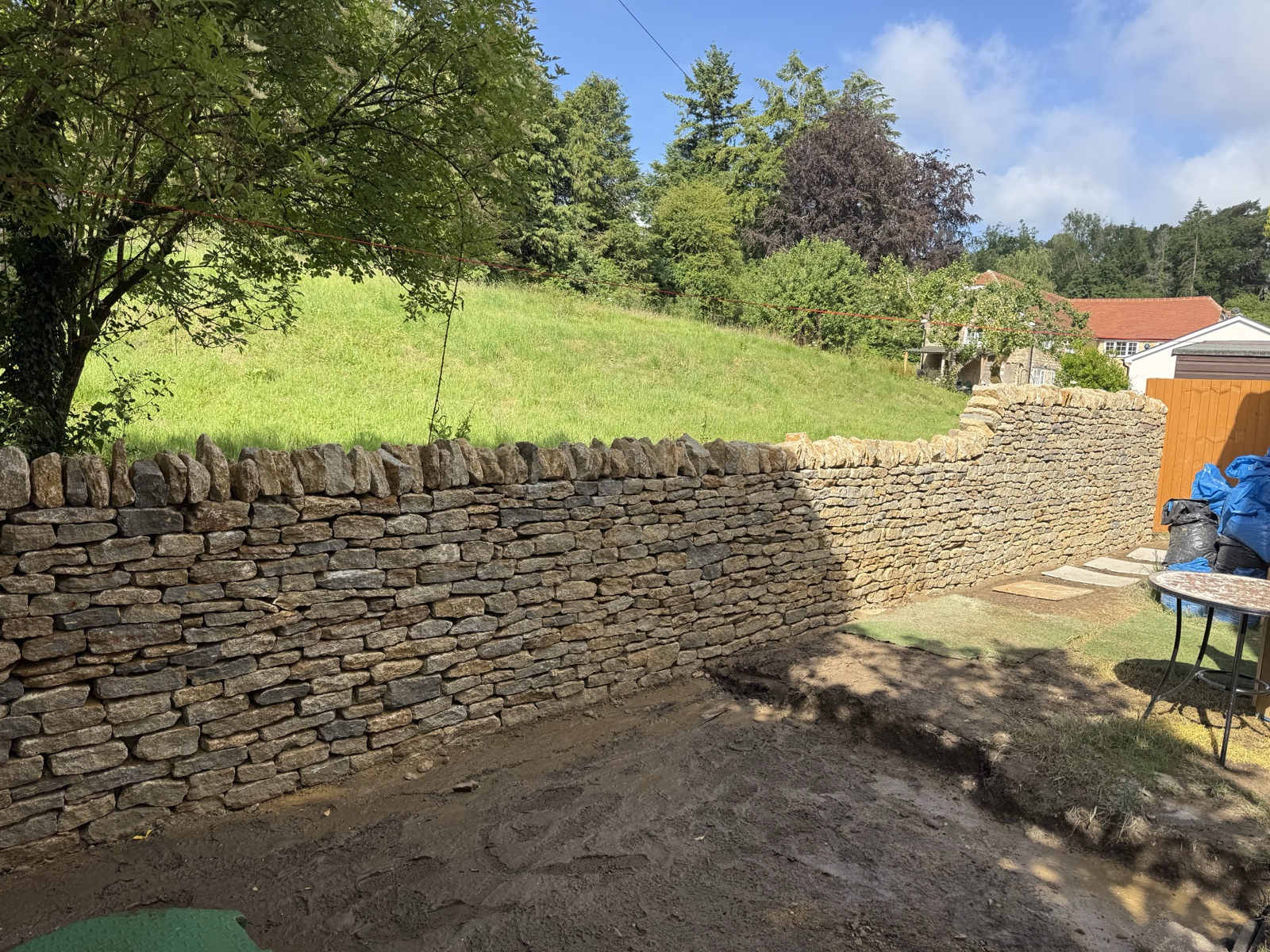
At the end, we’ll walk the work with you, address any snags, explain the aftercare (especially for lime), and provide a simple before/after photo pack if helpful.
Step 7) Follow-up and reviews
If you’re happy, we’ll ask for a review. For a local craft trade, reputation matters — and a few honest reviews make it easier for the next homeowner to choose a specialist with confidence.
Want to start with a no-fuss first step?
Send a couple of photos and your postcode and we’ll tell you what we’d do first (and what we’d avoid). Get in touch to start.
See how we approach this work across our services , or get in touch for a first opinion.